
When Electric Scooter Repairs Won't Cut It Anymore
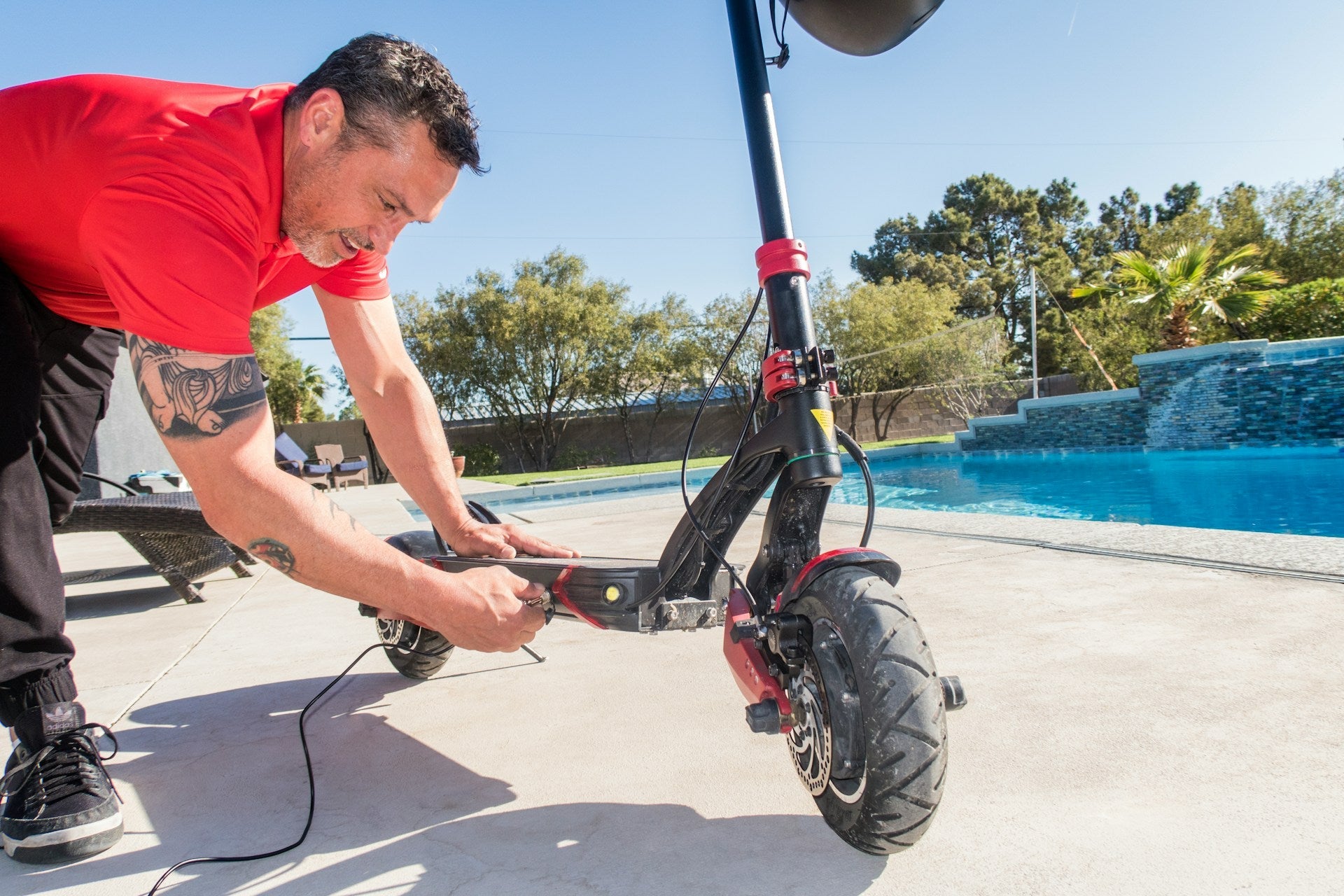
Most riders rely on quick electric scooter repairs to get back on the road. It’s often the fastest way to keep moving when something starts acting up. A brake squeaks, a tyre goes flat, or a light stops working, and a quick fix usually does the trick. But repairs don’t always solve everything. Sometimes they become a repeating cycle that eats up time without making things better. Knowing when to call it quits is just as important as knowing when to patch things up.
If your scooter’s been in and out of the shop more than it’s been on the path, it might be a sign to stop fixing and start rethinking what comes next.
When Repairs Start to Stack Up
Every scooter needs maintenance now and then. But when you're making more trips to the repair shop than actual rides, something might be off. It often starts small. Maybe a motor feels laggy, or the tyres keep losing pressure. You fix the issue, but a few weeks later, another one shows up.
- You’re noticing repairs pop up more often than they used to
- The same components (like brakes or wheels) seem to need constant attention
- Sessions with a mechanic feel more like ongoing checkups than one-time solutions
That kind of pattern usually signals deeper wear. Scooters, especially those used daily, face a lot of wear over time. And when these problems pile up, the repairs can become more of a bandage than a fix. It's not always about age, either. Regular use, especially on rough city paths or hilly routes, speeds things up. If we find ourselves dealing with ongoing issues, it could mean the scooter’s past its best.
Safety Concerns That Can’t Be Ignored
When an electric scooter becomes unreliable, safety quickly becomes a concern. Some fixes may hold for a bit, but knowing the difference between a minor flaw and a serious risk is key. If critical systems start failing, no amount of tinkering makes up for the danger.
- Brakes not responding the way they used to, even after service
- Steering feels loose, especially on curves or uneven surfaces
- Battery issues that cause sudden shutoffs, flickering power, or charging problems
Safety is always top of mind when we ride. If the scooter hesitates on a downhill stop or cuts out mid-commute, that’s no longer a repair job, it’s a risk. Riding with that kind of unpredictability puts us and others in danger, especially in busy city areas where quick decisions matter. A few too many close calls is often the sign that it’s time to stop patching up and move on.
Limited Availability of Parts or Support
Sometimes, the scooter isn’t the problem, it’s the parts. As models age, spare parts get harder to find. Workshops need more time to look for what’s needed, and even then, delays are common. We’ve seen scooters waiting weeks for a part that used to be easy to get.
- Replacement pieces take longer to order or aren’t available anymore
- Technicians spend extra hours trying to source parts or workarounds
- Repairs get held up because something simple just isn’t on hand
That means we spend more time waiting and less time riding. After a while, the effort doesn’t feel worth it. If service becomes more of a hassle than a help, that’s a clear signal. Some riders stretch things out and patch together parts from different places, but these quick fixes aren’t always reliable. When support fades, it usually means the scooter’s usefulness is starting to fade too.
Freed Electric Scooters stocks spare parts for current and popular models, but for older scooters or rare variants, service may be limited as supply shifts to newer lines. Our Auckland workshops can advise if your model is nearing end-of-life for repairs and help evaluate upgrade options for long-term reliability.
Changes in How You Ride
What we need from a scooter can shift over time. The one that worked well for weekend fun might not cut it when you start commuting daily or carrying more weight. A change in routine often shows us where an older ride starts falling behind.
- Your new route is longer, hillier, or more traffic-heavy than before
- You find that range or battery life isn’t enough for your current needs
- Performance feels sluggish under daily wear or city travel
Scooters built for one kind of rider don’t always grow with us. If you’re now tackling work commutes, quick deliveries, or longer afternoon rides, the limits of your scooter show up fast. Repairs can’t stretch a motor or expand a range. If your needs have changed, the tool you use might need to change too.
Spring in New Zealand: The Right Time to Reconsider
As more people get back outside, spring often brings electric scooters out in full swing. We notice it every year around this time, longer rides, more traffic, and more wear on old gear. And it’s often when weak scooters show their cracks.
- Warmer weather means more time riding, often on bigger or more frequent routes
- Older scooters may overheat or wear out faster once daily use picks up again
- Spring is a good time to notice what’s not working and plan ahead
October is the perfect month to check in with your ride. A scooter that felt fine in winter may not keep up with spring demands. If it’s struggling with charge, comfort, or control, it’s likely not going to get better with time. Instead of pouring more into repairs, it might be time to step back and see if it’s still the right scooter for what you're doing now.
Know When It’s Time to Let Go
Not every fix is a smart one. Some electric scooter repairs buy you more time, and that’s good, until they don’t anymore. When a ride isn’t safe, can’t keep up with your needs, or takes too much work to stay running, it’s often better to say goodbye.
We’ve learned that knowing when to stop fixing can be the first step toward making things easier. Letting go isn’t always easy, especially if the scooter’s been part of your day-to-day. But holding on too long to a worn-out ride might be holding you back from the smooth, simple experience you want. Spring in New Zealand is about moving forward, and sometimes that starts by leaving an old scooter behind.
When scooter repairs start to become routine, it’s a good opportunity to consider whether your current ride still fits your needs. With spring riding underway across New Zealand, now is a smart time to see if your scooter is up for the challenge. Often, frequent fixes mean it’s time for an upgrade rather than another patch. See a selection of scooters built for reliable, longer rides, and for advice on what to do after ongoing electric scooter repairs, talk with Freed Performance today.