
Why Some E Scooters for Adults Struggle in Cold Weather
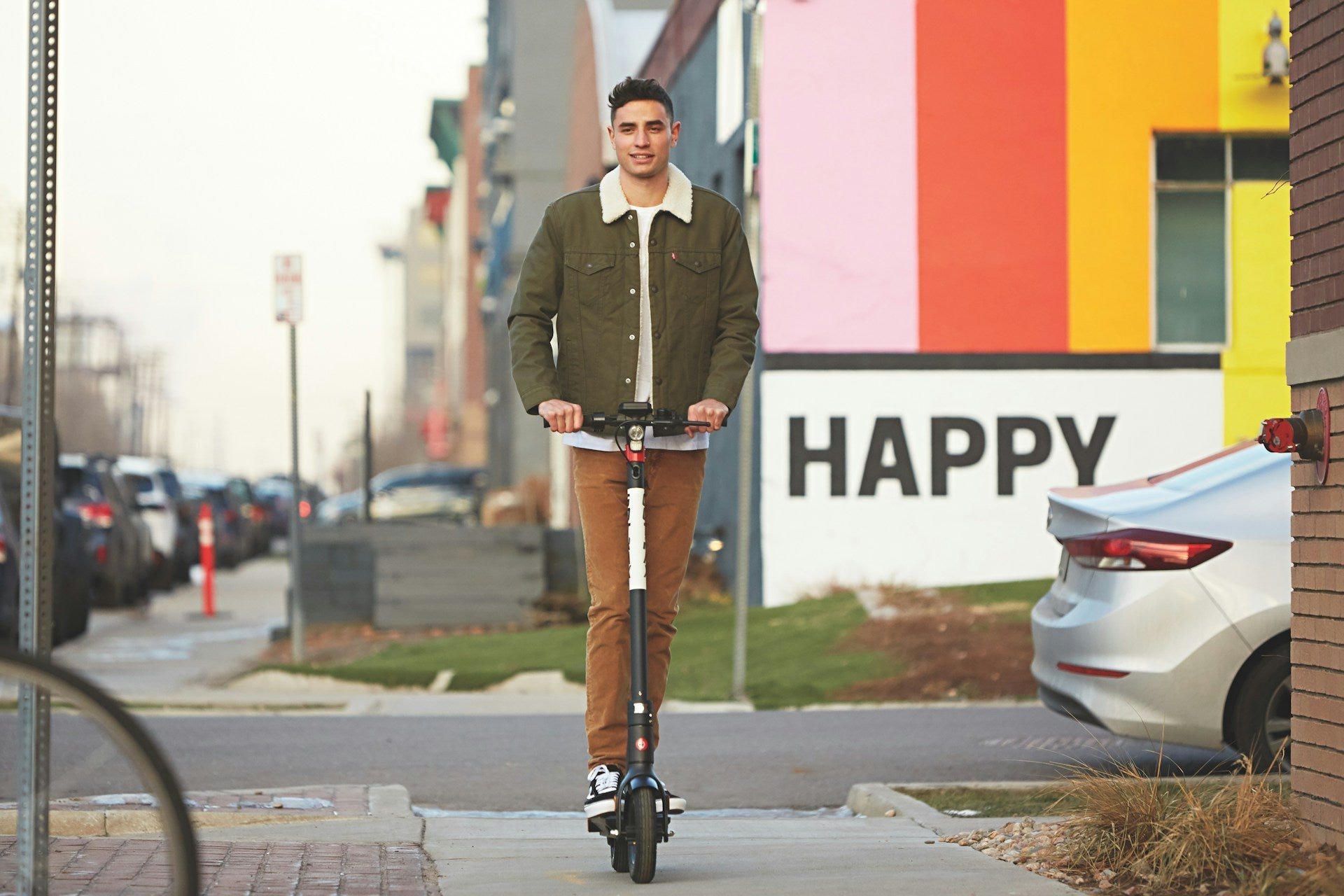
Cold mornings can really change the way your e scooter for adults rides and feels. The battery isn’t as strong, your hands feel every bit of wind coming through, and suddenly that usual trip down the street feels slower than usual. For a lot of us, scooters are part of everyday life, whether that’s for commuting, running errands, or visiting mates. So when winter hits and things stop working the way they should, it can throw off the whole week.
Cold weather, rain, and shorter daylight hours all show up around mid-winter here in New Zealand. That mix can affect scooters in more ways than people expect. Things like battery performance, grip, and even braking all react differently when temperatures drop. So let’s talk about why that happens, and what you might notice if your scooter isn’t built to handle the cold.
Battery Performance in Chilly Temps
One of the first things we notice in winter is the change in battery behaviour. Cold temperatures make lithium batteries lose energy faster. That means you might see your range drop, or your scooter may feel slower coming out of stops.
- The battery chemistry slows down when it’s cold, so energy doesn’t flow the way it does on warmer days.
- Charging outside or in an unheated garage can take longer. In some cases, the battery might not charge fully if it’s too cold.
- If your scooter sits in the cold too often, or for long periods, the battery may age quicker than expected. Regular exposure to cold can shorten the life of the battery over time.
This kind of shift might only be slight at first, but it adds up when morning temperatures stay low for weeks. Keeping things warm between rides can be tricky, especially for people without indoor storage, which is why it helps to know what your battery might be facing.
Grips, Brakes, and Control Challenges
Cold weather brings more than just chilly air to your hands. It changes how the scooter feels underneath you, from the throttle to the brakes. Some of that comes from how materials tighten up when it’s cold, and part of it comes down to moisture from rain or frost.
- Your handlebar grips may feel harder to hold if gloves are wet or the grips themselves have lost traction. Cold rubber can lose its softness too, which adds to the problem.
- Braking can feel different, especially if water gets into the cables or pads. It might respond slower, which changes how much distance you need to stop.
- If paths are slippery or a thin frost settles on the road, your control drops fast. Turning corners or stopping suddenly becomes a bigger challenge.
This kind of stuff doesn’t just matter for new riders. Longtime riders start to notice it too when the weather shifts overnight. It’s one reason why winter riding often feels less smooth than autumn or spring.
Electronics and Cold-Sensitive Parts
Scooter electronics are built to be durable, but like most tech, they don’t love the cold. When it’s cold and wet out, those small parts start to feel the stress.
- Displays might take longer to start up, or stop showing battery levels and speed clearly. If there’s moisture in the air, those displays can even fog up.
- Some buttons or switches feel stiffer. That has to do with cold air affecting the wiring under the deck or around the controls.
- Temperature swings can let tiny bits of moisture sneak into joints or cables. That doesn't always break things right away, but over time, it may lead to faults or flickering lights.
Even if nothing breaks down completely, these little glitches are enough to make every ride slightly more annoying. When your hands are freezing and your scooter won't respond like it usually does, frustration builds quickly.
Decks, Tyres, and the Road Surface
Winter doesn’t only mess with the parts you see or charge. The tyres and deck, the pieces that stay closest to the ground, feel it too. And once grip and suspension are affected, the whole ride changes.
- Cold rubber doesn’t grip the road the same way. Tyres may feel harder and don't flex over bumps like they used to.
- The deck picks up more water and muck this time of year. Wet leaves, road grime, or tiny puddles build up and make feet slip more often.
- Tyre pressure can drop without you noticing. That makes bumpier roads feel even worse, especially in neighbourhood areas where surface quality isn't always great.
One small change, like slightly underinflated tyres, can throw off balance and make a familiar route feel harder to handle. Riding in wet city streets calls for a bit more care during the colder months.
Freed Electric Scooters stocks models with strong batteries, puncture-resistant tyres, and reliable suspension features specifically for New Zealand’s colder, wetter conditions. Our Auckland locations offer quick tips and checks for brake and grip safety before and after autumn and winter rides.
Ride Smarter Through Winter Months
The good news is that these cold-weather scooter issues aren’t permanent. Most of them fade once temperatures come back up. But it does help to know how winter tends to affect ride feel and reliability.
When we understand how our e scooter for adults handles in winter, we’re able to know what’s normal. Battery loss, grip changes, and strange scooter behaviour don’t feel as confusing, or worrying. A few careful checks and habit changes during the season go a long way.
Winter riding in New Zealand can be manageable if we expect a few bumps along the way. That bit of planning makes each trip out feel more in control, even when things are icy or damp.
Winter riding can bring challenges, but at Freed, we’re committed to helping you stay safe and comfortable all season long with scooters built for New Zealand’s unique conditions. The right setup goes a long way in boosting your safety, comfort, and control, whether you’re commuting to work or heading out for weekend adventures. Explore our full lineup to find the perfect e scooter for adults designed for kiwi winters, and if you’d like advice or answers to any questions, reach out to our team today.